
Stainless Steel Shackles – Selection & Use Guide
Stainless steel shackles are essential rigging connectors used to link chains, wire ropes, hooks, slings, and lifting devices.
With high corrosion resistance and strength, they are ideal for marine, construction, lifting, architectural, and outdoor applications.
1. Types of Stainless Steel Shackles
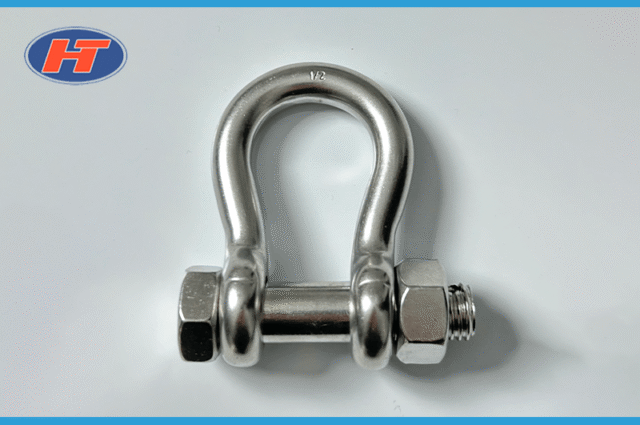
1.1 D Shackle (Chain Shackle)
Straight narrow shape
Best for single-direction loads
Common in lifting, marine, and general rigging
1.2 Bow Shackle (Anchor Shackle)
Larger rounded body
Suitable for multi-directional loads
Best for slings, chain connections, lifting with angles
1.3 Long D Shackle
Extended body for rope and chain adjustment
Used in marine, shade sails, and outdoor tensioning
1.4 Twist Shackle
90° twist design
Useful when connecting two components in different orientations
1.5 Captive Pin or Safety Pin Shackle
Pin stays attached to body
Prevents loss of pin in high-vibration environments
2. How to Select the Right Stainless Steel Shackle
2.1 Choose Material Grade
304 Stainless Steel
Good general corrosion resistance
Suitable for indoor, architecture, and light outdoor environments
316 Stainless Steel
Best for marine, saltwater, chemical, and high-moisture environments
Strong protection against rust and pitting
2.2 Working Load Limit (WLL)
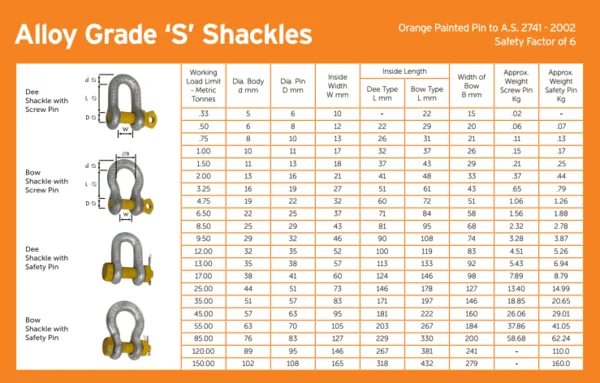
When selecting shackles:
Always check WLL (engraved on the body or pin)
Choose a shackle with 25–50% higher capacity than the expected load
For lifting applications → only use certified high-load shackles
2.3 Select the Correct Pin Type
Screw Pin Shackle
Quick installation
Ideal for temporary applications
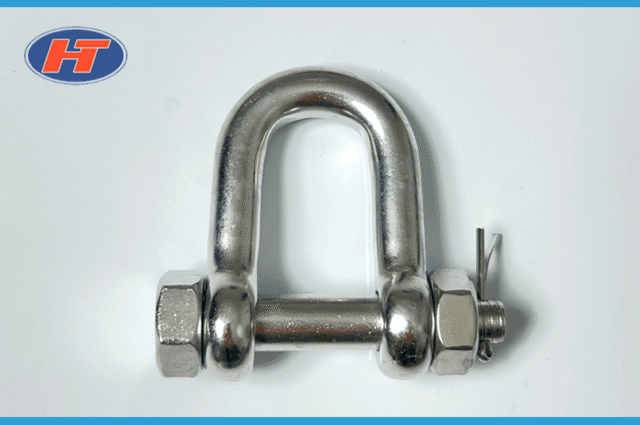
Bolt, Nut & Cotter Pin Shackle (Safety Shackle)
Prevents accidental loosening
Best for critical or long-term installations
Captive Pin
Pin does not detach
Ideal for marine and public installations
2.4 Match Shackle Size to Rope, Chain, or Fitting
Pin diameter must match chain link or hardware
Bow size must accommodate rope thimbles or slings
Wrong sizing can cause:
Wear
Bending
Reduced strength
Example:
Chain 8 mm → Use shackle with 8–10 mm pin
Rope with thimble 12 mm → Use bow shackle 12–14 mm
2.5 Load Direction Matters
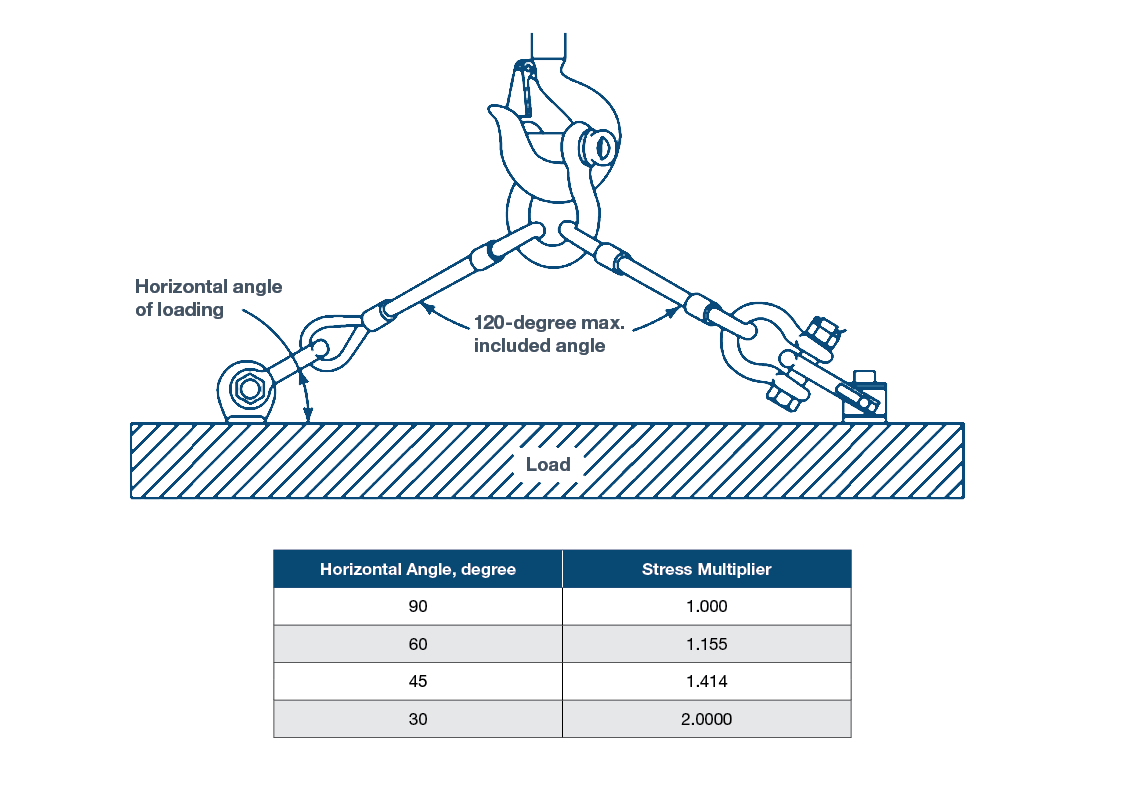
D shackles → single straight-line pull
Bow shackles → multi-directional pull
Never load shackles sideways or across the pin
3. How to Use Stainless Steel Shackles Safely
3.1 Proper Installation
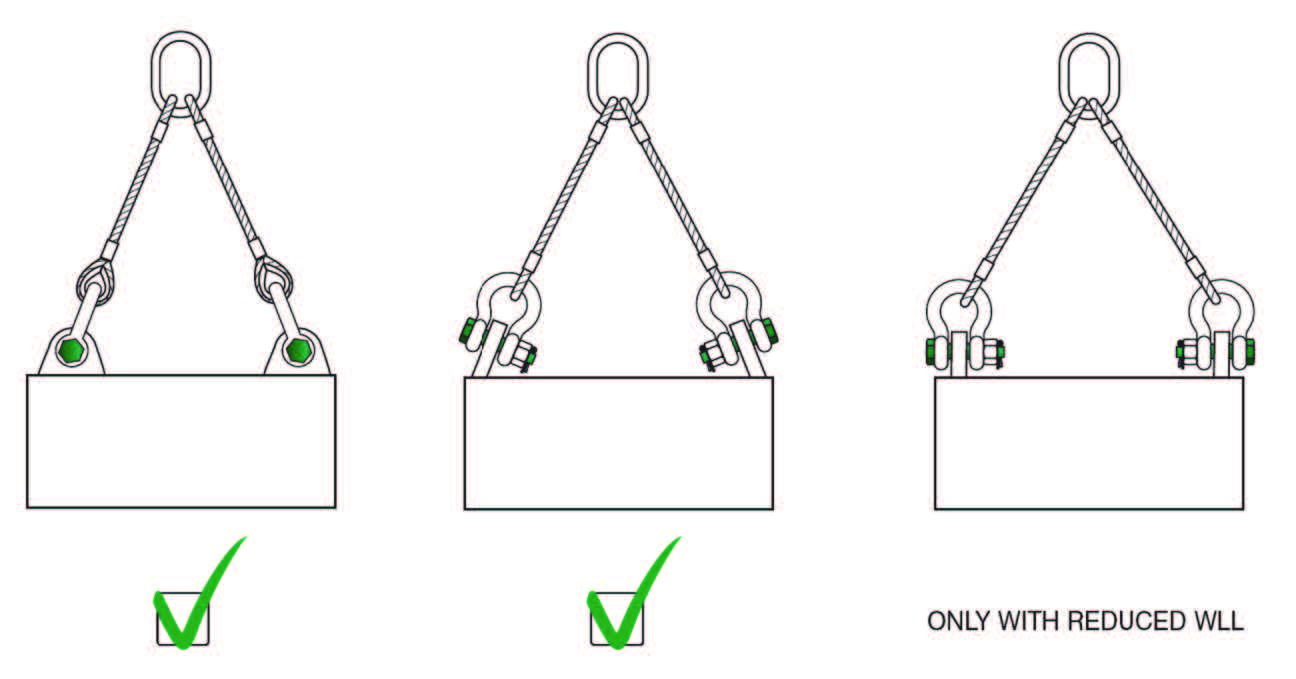
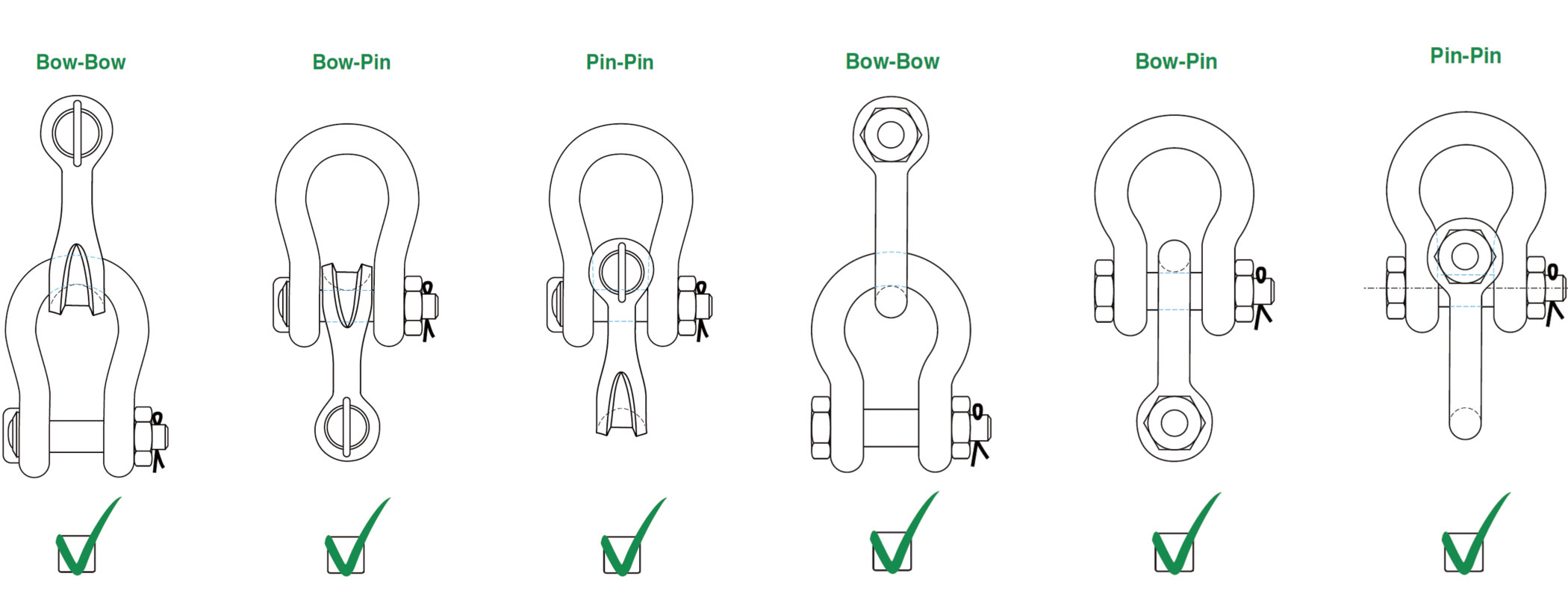
Insert the pin fully by hand.
Tighten the screw pin finger tight + quarter turn (not excessive).
Ensure load is applied in-line with the shackle body.
For vibration-prone applications → use bolt-type shackles.
3.2 Avoid Common Misuses
Do not side-load a D shackle
Do not use damaged, bent, or corroded shackles
Do not use unknown-brand shackles for lifting
Do not replace pins with bolts of different sizes
3.3 Inspection Checklist
Check before each use:
Bent body or pin
Thread wear or galling
Cracks, rust spots, deformation
Pin not seating fully
Replace immediately if defects are found.
3.4 Maintenance
Rinse with freshwater after marine use
Lubricate threads periodically
Store in clean, dry conditions
Avoid mixing stainless steel with carbon steel (prevents galvanic corrosion)
4. Applications of Stainless Steel Shackles
Marine
Boat rigging
Mooring lines
Anchor chain connections
Industrial & Construction
Lifting and hoisting
Connecting slings, hooks, and chains
Rigging on cranes and winches
Architectural & Outdoor
Shade sails
Wire rope balustrades
Suspension systems
Logistics & Transportation
Cargo tie-down
Trailer tensioning
Load securing
5. Technical Specification Template
| Model | Material | Type | Pin Type | Size | WLL | Application |
|---|---|---|---|---|---|---|
| HT-SS01 | 304 SS | D Shackle | Screw Pin | 6 mm | 120 kg | General rigging |
| HT-SS02 | 316 SS | Bow Shackle | Safety Bolt | 10 mm | 500 kg | Marine / lifting |
| HT-SS03 | 316 SS | Long D Shackle | Screw Pin | 8 mm | 250 kg | Shade sails / outdoor |